November 25, 2026
How Professional Carpet Cleaning in Fort Collins, CO Improves Indoor Air
By @paxtonyncv163
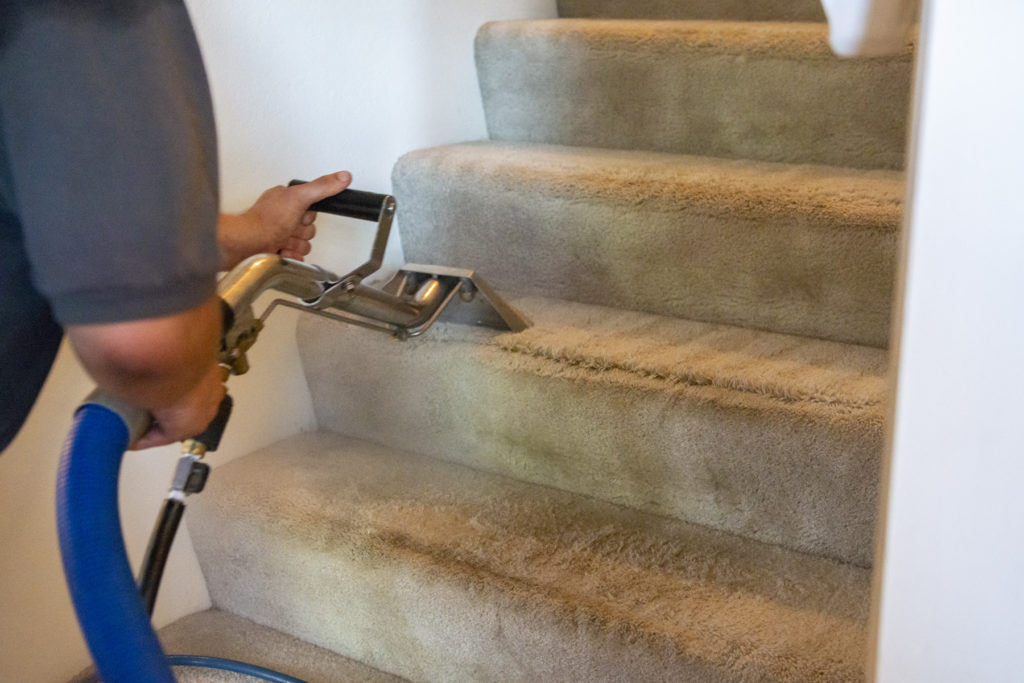
Most people notice dirty carpet with their eyes first. They see traffic lanes turning gray, a spill that left a shadow, or matted fibers near the entryway. What they do not always notice is what settles below the surface. Carpet acts like a giant fabric filter across the floor. It catches dust, pollen, pet dander, soil, and tiny particles tracked in from outside. That can be helpful for a while, because those particles are not floating freely in the air every minute of the day. But once the carpet is overloaded, normal foot traffic can stir that material back into the room.
That is where professional cleaning matters. In a place like Fort Collins, where people deal with dry spells, wind, spring pollen, snowmelt, and a steady mix of outdoor recreation and indoor living, carpets collect more than most homeowners realize. Professional Carpet Cleaning Fort Collins, CO services do more than improve appearance. Done correctly, they remove trapped contaminants, lower airborne irritants, and help the whole home feel fresher and easier to breathe in.
Carpet is both a trap and a source
Carpet has a complicated relationship with indoor air. It is not accurate to say carpet is automatically bad for air quality. In many homes, it actually performs a useful function by trapping particles that would otherwise stay airborne and land on furniture, bedding, or kitchen surfaces. The trouble starts when the carpet is not cleaned deeply and often enough.
A vacuum removes some loose material, especially from the upper part of the pile. It does not remove everything. Fine dust works downward. Oily residues from shoes, cooking, and skin bind dirt to fibers. Pet oils and old spills create sticky spots that keep attracting more particulate matter. Over time, the carpet becomes a reservoir.
You can often tell when this is happening without seeing obvious stains. A room may smell stale even after the trash is taken out. Dust returns to surfaces quickly after cleaning. Allergies seem worse indoors than outdoors. The air may feel heavy, especially when the heat kicks on in winter or during dry, windy periods. In my experience, homeowners are often surprised by how much lighter a room feels after a true hot water extraction cleaning. The change is not just visual. It is sensory.
Why Fort Collins homes put carpets through a lot
Fort Collins has a set of local conditions that make carpet maintenance more important than it might be in milder, less variable climates. The Front Range brings weather swings, dry air, and seasonal bursts of allergens. Add in active households, kids, dogs, trail shoes, and the dust that finds its way in from garages and patios, and carpets get loaded quickly.
Spring is usually when people start noticing it. Trees and grasses produce pollen, windows open more often, and muddy or dusty foot traffic increases. Summer adds more outdoor activity, which means more fine soil from yards, parks, and foothill trails. Fall brings another layer of debris, and winter creates its own problems with de-icing residue, moisture from snow, and furnace use that can keep particles circulating indoors.
Many Fort Collins homes also use forced-air systems for heating and cooling. If carpet is holding large amounts of dust and dander, every movement across the floor can contribute to what eventually reaches return vents and moves through the house. Carpet is not the only factor in indoor air quality, but it is one of the larger surfaces where contaminants collect. Ignoring it makes the rest of your cleaning efforts less effective.
What professional cleaning removes that regular vacuuming misses
The phrase "deep cleaning" gets overused, but in carpet care it means something specific. A professional cleaning system, especially hot water extraction performed by a skilled technician, is designed to flush out embedded soil and then recover it with strong suction. That process targets material that household equipment usually leaves behind.
The biggest difference is not just power. It is also chemistry, temperature, agitation, and technique. A good technician evaluates fiber type, soil load, traffic patterns, and problem areas before choosing the cleaning approach. Pre-treatment matters. Dwell time matters. Extraction passes matter. Drying matters. When any of those steps are rushed, the result is cosmetic improvement without much real benefit to indoor air.
Here is the kind of material that often comes out of carpet during a professional service, even when the carpet looked only moderately dirty:
- Fine dust and grit from outdoors
- Pollen and plant debris
- Pet dander and hair fragments
- Food residues and oily soils
- Dust mite waste and other microscopic debris
That last category gets a lot of attention for good reason. Dust mites themselves are common in many homes, and the proteins associated with them can trigger allergy symptoms. Professional cleaning does not make a home sterile, and reputable cleaners should never claim that. What it can do is reduce the amount of allergen load sitting in carpet fibers. For sensitive occupants, that reduction can be meaningful.
The link between carpet cleaning and airborne particles
Indoor air quality is not only about what is floating in the air right now. It is also about what is likely to become airborne with normal use. Walking across a dirty carpet creates friction and movement. Kids playing on the floor, pets racing through the house, a vacuum with poor filtration, even the vibration of HVAC airflow can disturb settled particles. Once disturbed, some portion of that material enters the breathing zone.
Professional cleaning lowers that reservoir. Think of it less as polishing the carpet and more as reducing the source term. If there is less particulate matter in the fibers, there is less available to be kicked up later. The effect is most noticeable in bedrooms, family rooms, finished basements, and hallways, places where people spend time and carpets absorb repeated traffic.
There is also a moisture and odor angle to consider. Carpet can hold onto residues that support unpleasant smells, especially in pet areas or rooms that have had small spills over time. Those odors are not always dangerous, but they can make a room feel stuffy or unclean. A proper cleaning removes much of the organic residue feeding those smells. When the residue is gone, the air seems cleaner because it actually is cleaner.
Why method matters more than many homeowners realize
Not every carpet cleaning process improves indoor air to the same degree. Some methods are better suited to appearance maintenance than contaminant removal. Others use too much detergent, too much water, or too little extraction, which can create new issues rather than solve old ones.
Hot water extraction is often the strongest option for homes with allergy concerns, pets, and heavier soil loads because it rinses and removes more material from deep in the pile. That said, quality varies by operator. Overwetting can leave carpets damp too long, which nobody wants. Excess residue can attract rapid resoiling. Poor suction can keep contaminants in place.
A competent professional should be able to explain the process in plain language, including expected drying time, what pre-vacuuming or pre-treatment is done, whether the products are appropriate for children and pets, and how much residue remains after cleaning. Those details tell you a lot about whether the service is being performed as real cleaning or as a quick surface refresh.
Bonnet cleaning and some encapsulation approaches can have a place in commercial maintenance programs, particularly for interim care. In homes, especially those with thicker carpet and indoor air concerns, they are generally less effective as a substitute for extraction. If the goal is to improve breathing comfort, reduce fine particulate buildup, and remove settled allergens, depth of removal matters.
The issue homeowners can smell before they see it
Odor is often the first clue that carpet is affecting indoor air. A carpet does not have to look dirty to smell dirty. Pet accidents that were blotted up months ago can linger in the pad or subfloor. Beverage spills leave sugar and organic residue. Moisture tracked in during winter can create a musty character if drying was incomplete. Even body oils from bare feet contribute over time, especially in bedrooms.
When carpet holds odor, people adapt to it. They stop noticing it until they leave the house for a while and come back. Visitors usually notice it first. Air fresheners and candles may mask the smell for a short time, but they do not remove the source. In fact, layering fragrance over a dirty carpet sometimes makes the room feel more irritating, not less.
A well-trained cleaner will not just clean the visible surface. They will identify whether odor treatment, spotting, or urine remediation is needed. That distinction matters because ordinary cleaning may not fully address contamination that has moved below the carpet face fibers. This is one of those judgment calls that separates experienced technicians from one-size-fits-all services.
Homes with pets, kids, and allergies see the clearest benefit
Some households feel the improvement faster than others. If you have a single adult household with no shoes indoors, no pets, and hard floors in most areas, carpet may stay fairly manageable. But that is not the common setup in Fort Collins. More often, there are dogs coming back from the yard, children dropping snacks in the family room, and a steady stream of outdoor dust entering through Carpet Cleaning Fort Collins, CO the front door, mudroom, and garage.
The biggest gains usually show up in homes with one or more of these conditions:
- Family members with allergies or mild asthma
- Pets that shed or spend time on furniture and carpet
- High foot traffic from active schedules
- Older carpet with accumulated residue
- Rooms that feel dusty soon after cleaning
I have seen homes where the owners assumed the furnace filter was the whole problem. They changed filters regularly and still fought dust on every tabletop. After a proper carpet cleaning and a good vacuuming routine, the dust load dropped noticeably. Not because the HVAC system stopped mattering, but because one of the major holding areas in the home had finally been cleared out.
Drying is part of the air quality conversation
A carpet that stays wet too long can create its own indoor air problem. That is why drying time deserves attention. Professional equipment with strong extraction should leave carpet only slightly damp, not soaked. Good airflow, moderate indoor temperature, and reasonable humidity levels usually bring drying into a manageable window, often within several hours, though conditions and carpet type vary.
In Fort Collins, the dry climate can help, but not always. Basements, shaded rooms, dense padding, and winter conditions can slow drying. A careful cleaner adjusts technique based on those realities. If a room is prone to staying cool and still, fans may be recommended. Furniture tabs or blocks help prevent transfer and allow airflow. Homeowners should also avoid walking heavily on damp carpet with dirty shoes, because that reintroduces contaminants before the carpet has even finished drying.
This is one of the quiet advantages of hiring a professional instead of renting a machine. Rental units often apply a lot of water and recover much less of it. The carpet may look cleaner at first, but if moisture lingers and detergent remains behind, the long-term result can be disappointing. Rapid resoiling and a musty smell are common complaints after do-it-yourself cleanings for exactly that reason.
How often should carpet be professionally cleaned?
There is no honest one-size-fits-all answer. Frequency depends on occupant sensitivity, number of pets, traffic level, and how much soil enters from outside. Most manufacturers and cleaning professionals consider annual cleaning a reasonable baseline for many homes. In busier households, every six to nine months often makes more sense. Some homes with allergy sufferers, multiple pets, or light-colored carpet in heavy-use areas benefit from even more targeted care.
A sensible schedule usually looks like this in practice: routine vacuuming with a good sealed vacuum, prompt spot treatment when spills happen, and professional cleaning before the carpet reaches the point where it smells stale or traffic lanes are obvious from across the room. Waiting until carpet looks bad means it has likely been affecting indoor air for quite a while.
What to ask before booking Carpet Cleaning Fort Collins, CO services
If indoor air improvement is one of your goals, it helps to ask a few direct questions before scheduling. You are not just buying cleaner-looking carpet. You are choosing a process and a technician whose work habits affect the result.
Ask what cleaning method is used, whether pre-treatment and extraction are included, and what drying time to expect. Ask how pet issues are handled if you have them. Ask whether the company uses high-residue chemicals or if the products are designed to rinse clean. If someone promises miracle results in every situation, be cautious. Good cleaners tend to be specific, not flashy. They will explain what is realistic and where limitations exist, especially with older stains, wear patterns, or contamination that has penetrated below the carpet.
It is also worth asking whether they move furniture, how they protect corners and walls from hose marks, and whether they recommend post-cleaning ventilation. Those practical details may seem small, but they often reveal how carefully the service is performed.
Carpet cleaning works best as part of a bigger indoor air strategy
Professional carpet cleaning can make a real difference, but it works best alongside other smart habits. Carpets do not exist in isolation. If the home has overloaded furnace filters, dirty return vents, or a vacuum that blows fine dust back into the room, the gains will be smaller and shorter-lived.
The homeowners who see the best results usually treat carpet cleaning as one piece of a larger maintenance rhythm. They remove shoes at the door. They change HVAC filters on schedule. They vacuum with a machine that has strong suction and decent filtration. They manage pet accidents quickly. And they do not wait years between professional visits.
That balanced approach matters because indoor air quality is cumulative. A cleaner carpet lowers one major source of particulates and odor. Better filtration lowers another. Good housekeeping reduces the burden on both. None of these steps has to be extreme to be effective. Consistency beats intensity.
The difference people notice after a proper cleaning
When carpet has been cleaned professionally and dried correctly, the shift is often easy to feel. Rooms smell more neutral. Dust seems slower to settle. The air feels less heavy. For households with mild allergies, mornings can be more comfortable, especially in carpeted bedrooms where people spend six to eight hours at a time.
There is also a psychological benefit that should not Carpet Cleaning Fort Collins, CO be dismissed. Clean floors change how people use a space. Kids are more comfortable sitting on the carpet. Guests feel the room is better cared for. Homeowners are often more motivated to keep up with vacuuming and filter changes after seeing what a true reset looks like. Maintenance tends to improve once the baseline improves.
Professional Carpet Cleaning Fort Collins, CO homeowners invest in is not just a cosmetic service. It is a practical indoor environmental service. It removes trapped material from one of the largest soft surfaces in the home, reduces the amount of debris available to become airborne, and helps restore a fresher, healthier indoor feel. In a climate where dust, pollen, pets, and active living all converge, that is not a small thing. It is basic home care with benefits you can often see, smell, and breathe.
TLC Carpet & Air Duct Cleaning
921 E Prospect Rd, Suite C
Fort Collins, CO 80525
(970) 352-8176
FAQ About Carpet Cleaning Fort Collins, CO
What is the best time of year to clean carpets in Fort Collins, CO?
Choose a day when you can give the carpet time to dry and keep foot traffic low. Ventilation and indoor humidity can matter more than the season.
How long will my carpet take to dry after cleaning?
Drying time varies with the carpet, cleaning method, humidity, and airflow. Ask the technician for an estimate and when to move furniture back.
How do I prepare my home for carpet cleaning?
Pick up small items, clear a path for equipment, and point out stains or delicate fibers. Ask the cleaner which furniture they can move and what needs to be moved before the visit.
❧